Beauty Trend Forecast 2026: Macro Trend 07 - Artisanal Storytelling


The Narrative Renaissance in Fragrance
The Artisanal Storytelling macro trend gives rise to a space where fragrance is no longer just a beauty product but a deeply personal medium for memory, narrative, and emotional connection. These brands position scent as an artform, using it to explore themes of heritage, intimacy, and craftsmanship.
Rooted in small-batch, slow perfumery, this macro trend emphasizes intention over scale, prioritizing rare materials, hand-blended formulas, and ingredient-led storytelling. Here, narrative is everything—whether drawn from mythology, personal memory, or raw botanical provenance. The visual identity leans minimalist and refined, often echoing apothecary traditions with a modern twist.
Fragrance becomes a multi-sensory experience, enhanced by immersive retail environments and cross-disciplinary collaborations with chefs, designers, and artists. What defines this trend is not just the scent itself, but the story it tells and the ritual it invites—an approach that aligns perfectly with the consumer desire for meaningful luxury and intentional consumption.
This is one of the 7 macro trends featured in our free Beauty Trend Forecast 2026. You can download the pdf for the free report right now or get a broader overview in our previous blog post.
For those seeking deeper insights across categories, explore Mintoiro’s full trend reports on Skincare, Haircare, Makeup, and Fragrance—offering advanced competitive analysis and strategic takeaways.
Key Points
Narrative-Driven Fragrances
Ingredient-Led Storytelling
Small-Batch & Slow Perfumery
Consumer Shift Toward Meaningful Luxury
Fragrance as Artform
Nostalgia & Heritage Influence
Experiential Retail
Multi-Sensory Presentation
Cross-Disciplinary Collaborations
Age
Millennials
Average Price Point
$ 57
Trend Phase
Rising
Brand Archetype
Brand Examples
Aesop
Bath House
Diptyque
Ffern
Frama
Kismet Olfactive
L:A Bruket
Le Labo
Maison Tahité
Nonfiction
Officine Universelle Buly
Orris
Penhaligons
Perfumer H
Ranger Station

Scent as Story
At the heart of this trend is a shift from fragrance as a standalone product to fragrance as a narrative medium. Brands are crafting olfactory experiences inspired by mythology, literature, personal memory, and emotional landscapes—inviting wearers to engage with scent as a form of self-expression and storytelling. In parallel, ingredient-led storytelling has emerged as a more grounded variation of this approach. Here, the narrative centres on a single raw material—its origin, terroir, harvesting conditions, and ecological context—allowing consumers to connect with fragrance through both conceptual meaning and botanical provenance. These strategies create a layered experience, where each perfume tells a story that unfolds from the top note to the final dry down.

Intentional Craft of Slow Perfumery
As fragrance consumers become more values-driven, they’re turning away from mass-market launches and gravitating toward small-batch, slow-crafted perfumes that emphasize process, care, and individuality. Artisanal brands operating on limited production cycles foster a deeper sense of intimacy and exclusivity, with hand-blended formulations that prioritize raw material quality over scalability. This model aligns seamlessly with the broader consumer desire for meaningful luxury—where purchases carry emotional weight and long-term resonance rather than ephemeral trend appeal. By choosing slow perfumery, consumers signal not just refined taste, but a commitment to authenticity, sustainability, and intentional consumption.

Heritage and Emotion in Olfactory Form
Fragrance is undergoing a cultural reframe, emerging as a legitimate art form alongside literature, music, and visual design. Independent perfumers are increasingly treating scent as a creative canvas—experimenting with unconventional compositions, abstract concepts, and emotive storytelling arcs. This artistic approach is often paired with a renewed appreciation for perfumery heritage, as brands revisit archival formulas, antique bottle shapes, and traditional techniques. Far from being nostalgic for nostalgia’s sake, this revival draws on historical depth to create perfumes that feel timeless rather than trendy. The result is a wave of olfactory creations that resonate with both emotional sophistication and historical literacy.

Immersion and Interdisciplinary Scent
As artisanal fragrance gains cultural relevance, the retail and presentation experience has evolved to match. Brands are increasingly investing in multi-sensory touchpoints—from textured, interactive packaging to boutique pop-ups and immersive scent installations. Experiential retail strategies transform discovery into ritual, offering moments of connection that extend beyond the product itself. Cross-disciplinary collaborations further enhance this effect, with perfumers teaming up with chefs, fashion designers, and visual artists to build layered, atmospheric universes around each scent. These immersive tactics reinforce fragrance as an experience, not just an object—elevating its presence in culture, commerce, and daily life.
Brands to Watch

Ffern
Ffern is a British fragrance house known for its seasonal, small-batch approach to perfumery, releasing four limited-edition scents annually that reflect the rhythms of nature. Crafted in Somerset using organic, responsibly sourced botanicals, each perfume is both sustainable and meticulously formulated. Operated via a subscription model, Ffern fosters exclusivity and deep consumer connection through its invite-only distribution. With minimalist, biodegradable packaging and a philosophy rooted in tradition, transparency, and craftsmanship, Ffern delivers a uniquely intimate olfactory experience that merges storytelling with sustainability.

Le Labo
Le Labo, founded in 2006 in New York, revolutionized modern perfumery with its made-to-order model, emphasizing handcrafted blends and personalized labels. Cult classics like Santal 33 reflect the brand’s distinctive style—raw, ingredient-focused compositions delivered with quiet sophistication. Known for its industrial packaging and apothecary-style boutiques, Le Labo maintains its artisanal ethos despite global growth. With in-store blending experiences and a continued focus on natural ingredients and emotional storytelling, Le Labo stands as a benchmark for soulful, modern luxury in the fragrance world.

Frama
Frama, a Danish brand, fuses Scandinavian minimalism with apothecary tradition, offering fragrances that are elemental, introspective, and deeply tied to design. Known for its amber-glass packaging and raw, sensory compositions, Frama treats scent as part of a holistic lifestyle, extending across interiors, skincare, and daily rituals. Each fragrance captures a quiet moment or memory, crafted with high-quality naturalsand housed in tactile, sustainable materials. Frama’s stripped-back yet refined aesthetic and small-batch production align it with the slow luxury movement, appealing to those who value intentionality and subtle sophistication.
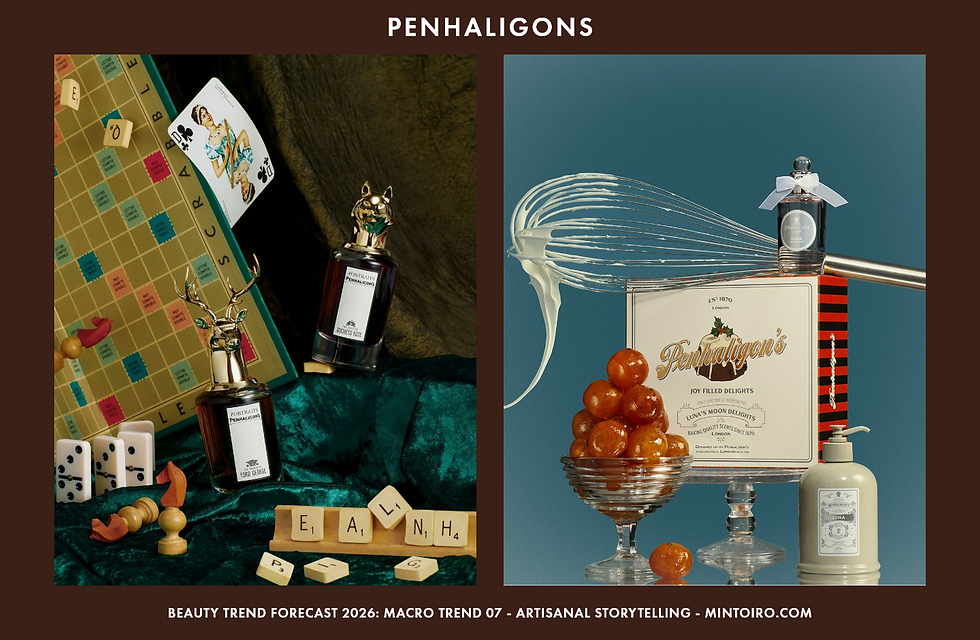
Penhaligons
With over 150 years of heritage, Penhaligon’s blends British tradition with eccentric flair, crafting fragrances that tell rich, character-driven stories. Known for its ornate bottles and whimsical concepts inspired by royalty, history, and theatrical narratives, the brand offers a playful yet polished take on artisanal perfumery. While rooted in Victorian craftsmanship, Penhaligon’s continues to evolve with modern reinterpretations that keep its storytelling fresh and engaging. This balance of historical depth, artisanal quality, and imaginative charm cements its place as a legacy player in narrative-led luxury fragrance.


Comments